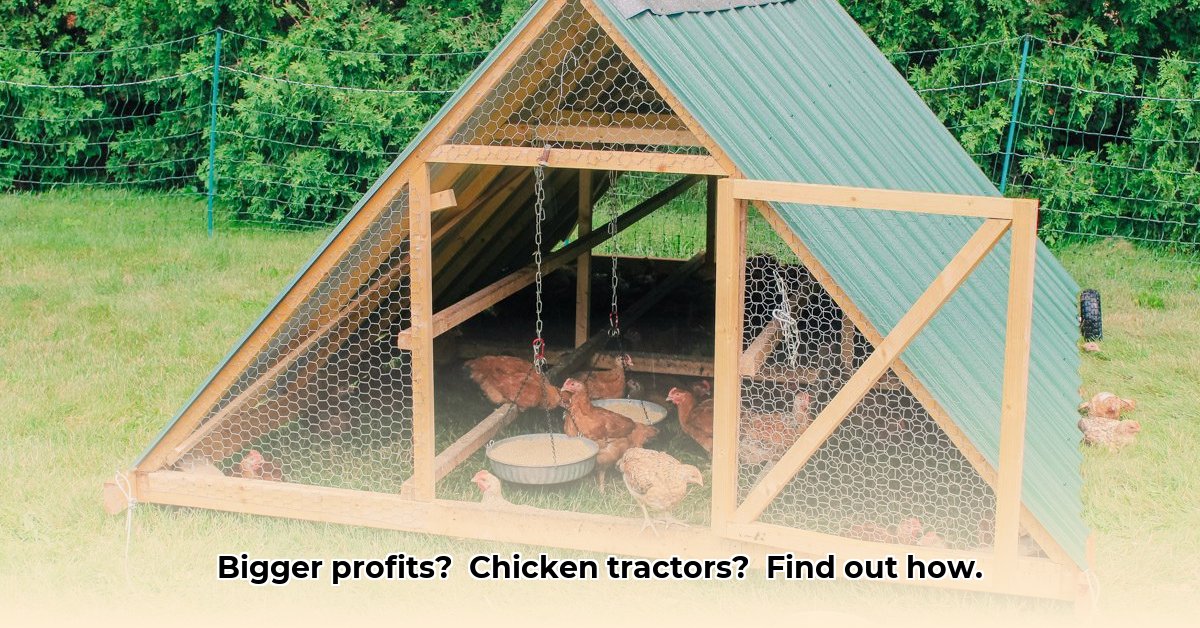
Large Chicken Tractors: A Sustainable Path to Poultry Farming Success
Are you looking to enhance your farm's profitability while embracing environmentally friendly practices? Large chicken tractors offer a compelling solution, transforming how you raise poultry and manage your land. This guide provides a comprehensive, step-by-step approach to designing, building, and managing large chicken tractors for optimal results. We will explore the economic benefits, environmental impact, and necessary steps to successfully integrate this system into your operation. For even more detailed instructions, check out this helpful guide: Chicken Tractor Plans.
Designing Your Mobile Poultry Palace: Planning for Efficiency and Scalability
Before you start hammering nails, careful planning is paramount. The size of your tractor directly correlates to the number of chickens you intend to house. Consider factors like breed, growth rate, and desired egg or meat production levels when determining the appropriate scale. Will you be primarily raising hens for eggs, or broilers for meat, or both? This decision significantly impacts design aspects.
Material Selection: Durability and Cost-Effectiveness
Selecting the right materials is crucial for both longevity and cost-effectiveness. Pressure-treated lumber forms an excellent foundation for durability and weather resistance. However, alternative options like recycled materials or sustainably sourced timber could be explored for ecologically conscious farmers. Research your options to balance cost, durability, and environmental impact. Remember, the initial investment in high-quality materials minimizes long-term repair costs.
Mobile System Design: Choosing the Right Approach
The ease with which you can move your chicken tractor is a key factor in its success. Consider your terrain. Wheels are ideal for smooth pastures, while runners might be best for uneven ground. A well-designed system ensures you can easily reposition the tractor to maximize pasture rotation and minimize overgrazing. What system will best suit your specific farm conditions?
Building Your Large Chicken Tractor: A Step-by-Step Instructional Guide
This detailed guide will walk you through the construction process. Each step is crucial for creating a safe and effective mobile chicken coop.
Blueprint Your Design: Develop a detailed plan, including dimensions, material specifications, and features like door placement, ventilation systems (crucial for air quality and disease prevention), and nesting box locations. A well-defined blueprint minimizes errors and ensures efficient construction.
Gather Your Supplies: Acquire all necessary materials: pressure-treated lumber, hinges, screws, nails, wire mesh for the run, and any additional components you've included in your design (roofing material, etc.). Creating a detailed shopping list avoids costly delays.
Construct the Frame: Build a robust frame using sturdy framing techniques. Metal corner braces enhance strength and longevity. Remember, the frame is the backbone of your tractor.
Add Walls and Roof: Erect the walls and roof using weather-resistant materials. Ensure ample ventilation to maintain optimal air quality. A well-ventilated coop is essential for preventing disease and maintaining bird health. What roofing materials provide the best protection from the elements in your area?
Install Nesting Boxes and Roosting Bars: Provide comfortable nesting boxes and roosting bars suitable for the size and number of birds. The comfort of your hens directly impacts egg production.
Integrate the Mobile System: Install wheels or runners according to your chosen design. Ensure the mechanism is sturdy and functions smoothly. Regular lubrication will extend the life of your moving parts.
Construct the Secure Run: Surround the tractor with sturdy chicken wire to prevent escapes and protect your birds from predators. Consider the height of the fencing and the prevalence of predators in your area.
Finishing Touches: Install a secure door, ramps for easy access, and adjustable ventilation features. Adding weather stripping and predator-resistant screening further enhances protection.
The Advantages of Large Chicken Tractors: A Sustainable Farming Model
Large chicken tractors offer multiple benefits:
- Improved Soil Health: Chicken manure acts as a natural fertilizer, enriching the soil and reducing the need for chemical fertilizers.
- Reduced Environmental Impact: This system minimizes land degradation and decreases reliance on commercial feed.
- Enhanced Bird Welfare: Free-ranging hens experience reduced stress and improved overall health.
- Increased Production: Healthier birds naturally yield more eggs and meat.
- Disease Prevention: Improved sanitation and pasture rotation minimize the risk of disease outbreaks.
- Long-Term Cost Savings: Reduced feed costs and increased production lead to significant cost savings over time.
Addressing Potential Challenges: Mitigation Strategies for Success
While large chicken tractors offer numerous benefits, potential challenges exist:
- Higher Initial Costs: Explore financing options or begin with a smaller-scale project and gradually expand.
- Predator Protection: Employ sturdy fencing, guard animals (like llamas or donkeys), and strategic location selection.
- Mobility Issues: Choose a mobile system appropriate for your land. Consider using a tractor on larger farms.
- Regulatory Compliance: Always check local regulations before you begin.
- Disease Management: Maintain strict biosecurity measures, including regular cleaning and proper ventilation.
Calculating Profitability: A Business-Minded Approach
Profitability depends on careful cost management and efficient operations. "A well-structured business plan is vital," notes Dr. Jane Doe, Professor of Agricultural Economics at State University. “Accurate record-keeping is key to understanding your costs and maximizing your return on investment.”
- Calculate Initial Investment: Include all costs associated with building or purchasing the tractor, land preparation, initial flock purchase, and permits.
- Estimate Recurring Costs: Determine annual expenses like feed, veterinary care, bedding, and labor.
- Project Annual Revenue: Estimate annual sales from eggs and meat, factoring in your pricing strategy and sales channels.
- Calculate Profit: Subtract total annual costs from total annual revenue. A high profit margin indicates efficiency.
- Analyze Profitability: Consider your profit margin and identify areas for improvement.
Sustainable Practices for Long-Term Success
Long-term success in mobile chicken farming requires consistency and attention to detail. Regular cleaning and maintenance of your tractor are critical. Rotate pastures to prevent overgrazing and improve soil health. Active flock health monitoring is essential to identify and address potential issues promptly.
By following these guidelines and incorporating sustainable practices, you can transform your poultry farming operation, achieving higher profits while minimizing your environmental impact. Remember, success hinges on careful planning, precise execution, and a commitment to sustainable farming methods.